Call Us: 1.800.275.3453
Request a Quote
Call Us: 1.800.275.3453
Request a Quote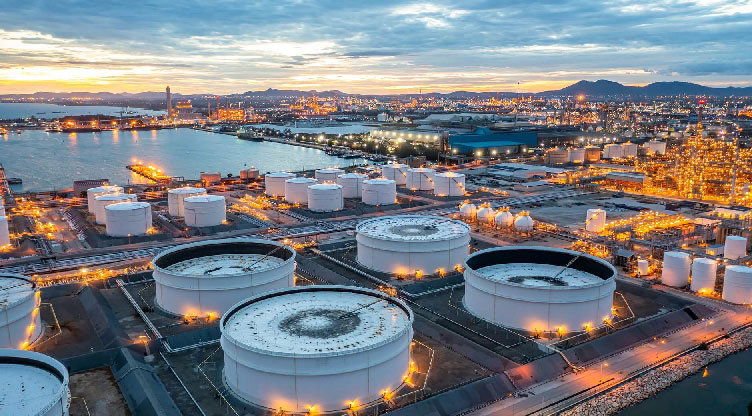
Across industrial, municipal, and commercial operations, the handling and storage of hazardous liquids introduces unavoidable risk. Equipment failures, overfills, weather events, and human error can all lead to accidental releases. Secondary spill containment exists to manage those risks before they escalate into environmental damage, safety incidents, or regulatory violations.
More than a regulatory checkbox, secondary spill containment is a proactive environmental safeguard. It provides a controlled barrier between hazardous materials and the surrounding environment, helping facilities maintain compliance while protecting workers, infrastructure, and natural resources. This guide explains how secondary spill containment works, the regulatory landscape behind it, the systems available, and how organizations can apply best practices to build resilient containment strategies.
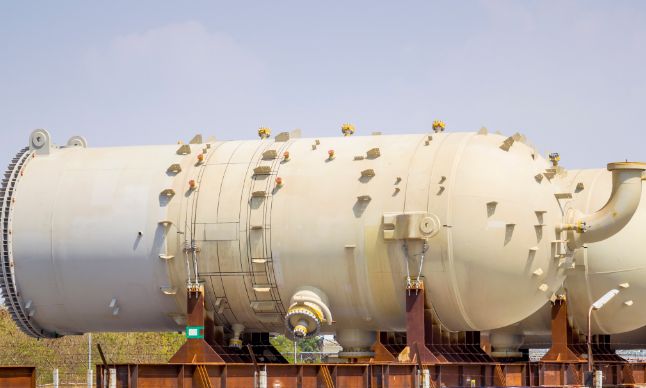
Secondary spill containment refers to engineered systems designed to capture and contain leaks or spills that escape primary storage containers such as tanks, drums, piping, or process equipment. While primary containment holds the material under normal conditions, secondary containment provides a backup layer of protection in the event of failure.
These systems are typically physical barriers that prevent spilled materials from migrating into soil, groundwater, storm drains, or adjacent work areas. Common secondary containment systems include berms, dikes, containment pads, trays, and lined enclosures.
For a foundational overview, Polystar’s resource on What Is Secondary Containment? explains how these systems function within broader environmental protection strategies.
The purpose of secondary spill containment extends beyond compliance. It is a practical risk-management tool that supports operational continuity and environmental responsibility.
Effective secondary containment helps facilities:
When secondary containment is thoughtfully designed and properly maintained, it becomes a long-term asset rather than a reactive expense.
Secondary spill containment requirements are shaped by multiple regulatory bodies, each focusing on environmental protection and worker safety. Understanding these frameworks helps facilities design systems that align with compliance expectations.
Key regulatory influences include:
Polystar’s overview of Secondary Containment and Spill Containment provides additional clarity on how these requirements intersect across industries.
Secondary containment solutions vary based on material type, storage volume, site layout, and operational demands. Selecting the right system requires understanding how each option functions in real-world conditions.
Spill containment berms are among the most widely used secondary containment solutions. These systems form a perimeter barrier that prevents liquids from spreading beyond a designated area. Berms are often deployed around tanks, loading zones, and processing equipment.
Because berms can be modular or permanent, they offer flexibility for facilities that need scalable containment. Many designs accommodate vehicle traffic or equipment movement while maintaining containment integrity.
A containment dike creates a raised physical barrier designed to hold large volumes of spilled material. Dikes are commonly used in tank farms, bulk storage areas, and industrial processing zones where containment capacity is critical.
Modern containment dike systems use corrosion-resistant materials and modular construction, offering a more adaptable alternative to traditional concrete structures. These systems provide long-term durability while allowing future reconfiguration.
A portable containment dike is designed for applications where containment needs change frequently. These systems are lightweight, modular, and easy to assemble without excavation or heavy equipment. Portable containment dikes are commonly used at construction sites, temporary storage areas, remediation projects, and emergency response locations. Their mobility allows organizations to deploy secondary containment wherever risk exists, rather than relying solely on fixed infrastructure.
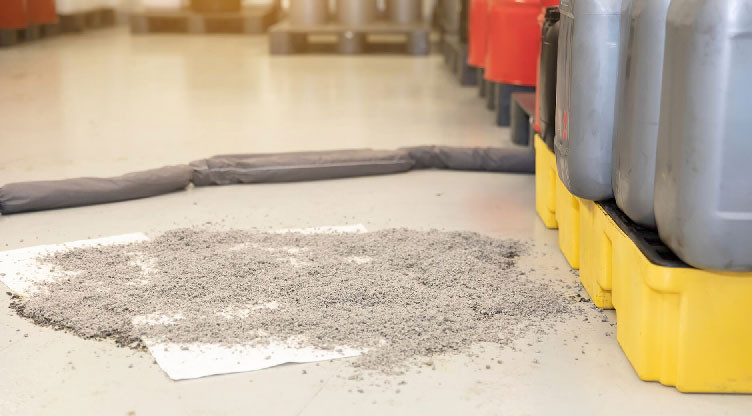
Containment pads and trays provide localized secondary containment for smaller containers, equipment, or maintenance activities. These systems capture drips, leaks, and minor spills at the source, helping facilities maintain cleaner and safer work areas.
They are often used in laboratories, maintenance bays, transformer areas, and chemical handling stations where precision containment is required.
Secondary spill containment is applied differently depending on industry-specific risks and operating conditions. Real-world examples illustrate how containment strategies adapt to these variables.
These secondary containment examples demonstrate how system selection is driven by both regulatory requirements and operational realities.
Designing an effective secondary spill containment strategy involves more than choosing a product. Best practices focus on long-term performance, adaptability, and compliance.
Following these best practices ensures that secondary containment systems remain effective throughout their service life.
Secondary spill containment isn’t one-size-fits-all. The right design depends on what you’re storing, how much volume you need to contain, and the site conditions your system has to handle year-round.
Polystar Containment designs and manufactures corrosion-resistant secondary containment solutions built for industrial performance and regulatory compliance. Whether you need a modular containment wall system, portable spill containment, or a long-term containment configuration for above-ground storage tanks, our team can help you identify the best solution for your operation.
Contact Polystar today to discuss your secondary containment needs and request a quote. Our team can help you plan a containment approach that supports safety, compliance, and long-term durability.
Contact UsRequirements depend on the material stored and governing regulations. SPCC rules generally require containment capacity equal to the largest container plus freeboard, while OSHA focuses on hazard control and worker safety.
The primary purpose is to prevent spilled materials from spreading beyond a controlled area, reducing environmental impact and improving safety.
Spill containment is a broad term covering all spill control measures. Secondary spill containment specifically refers to backup systems designed to contain releases that escape primary storage.





FAQs
Success Stories
Government Requirements
Tradeshows & Events
Sitemap
1676 Commerce Drive
Stow, Ohio 44224
© 2023 Polystar Inc. secondary
containment systems – Stow,
Ohio near Akron in Summit
County. All Rights Reserved