Call Us: 1.800.275.3453
Request a Quote
Call Us: 1.800.275.3453
Request a QuoteSecondary containment systems protect facilities, workers, and the environment from hazardous spills and leaks. But simply having containment in place isn’t enough. To be effective, these systems must be used correctly, maintained consistently, and supported by proper training across the organization.
From meeting regulatory requirements to minimizing cleanup costs and downtime, the efficiency of a secondary containment system depends heavily on the people responsible for managing it. Without clear procedures and hands-on knowledge, even the most durable containment solution can fall short of its purpose.
Let’s explore how targeted training and proven best practices help teams get the most out of their containment systems. We’ll also cover practical strategies for maintenance and long-term management that support compliance, improve system performance, and reduce the risk of environmental incidents.
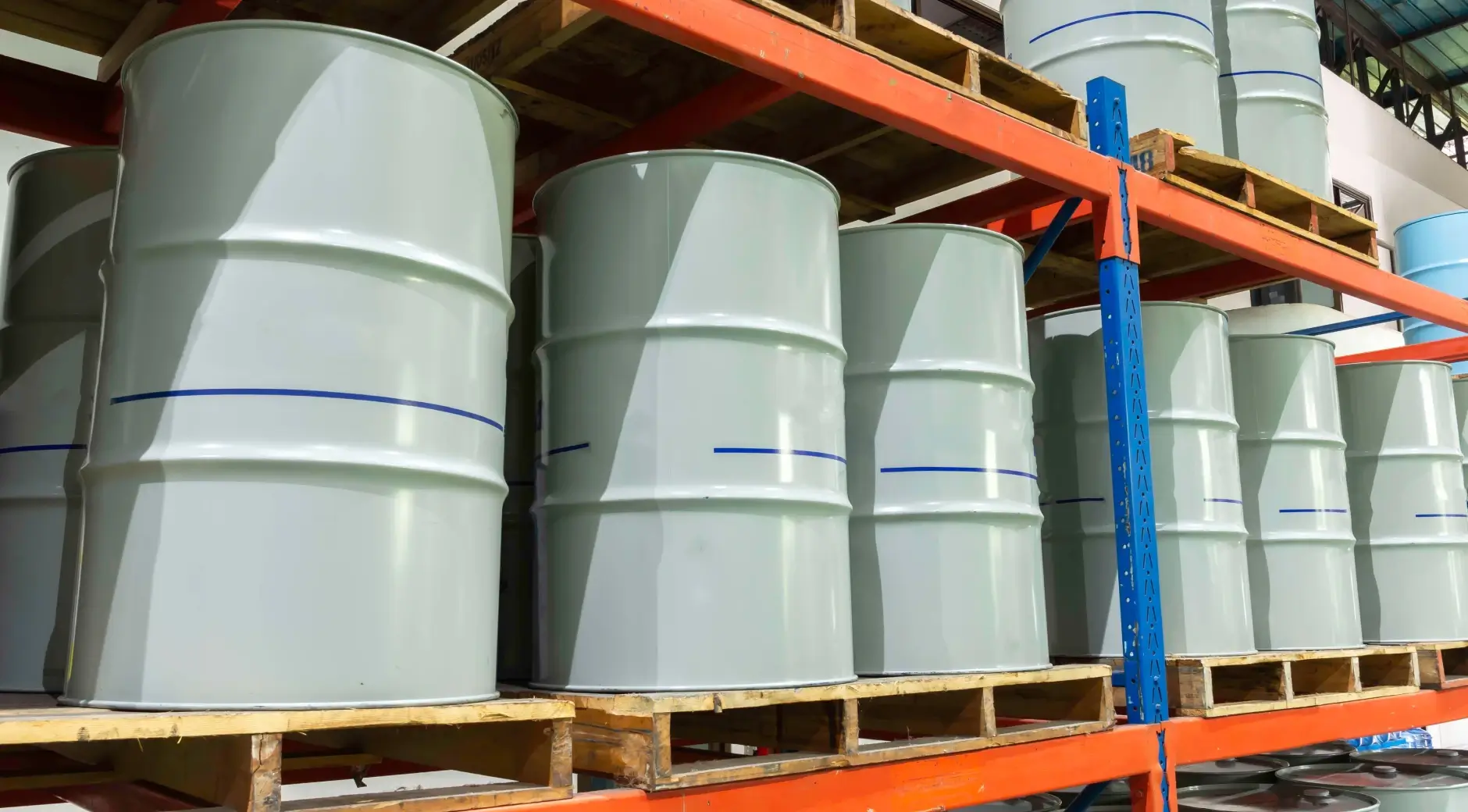
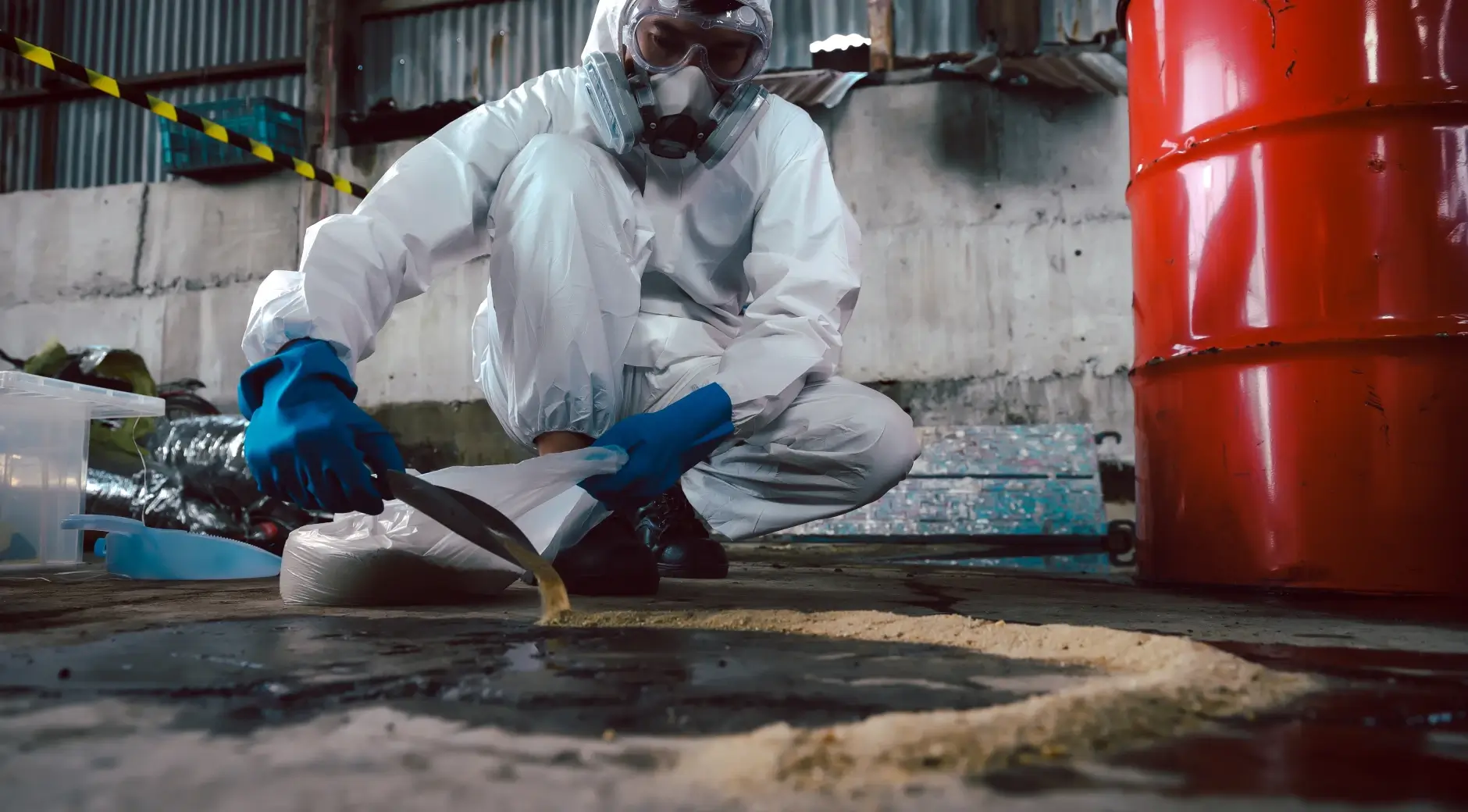
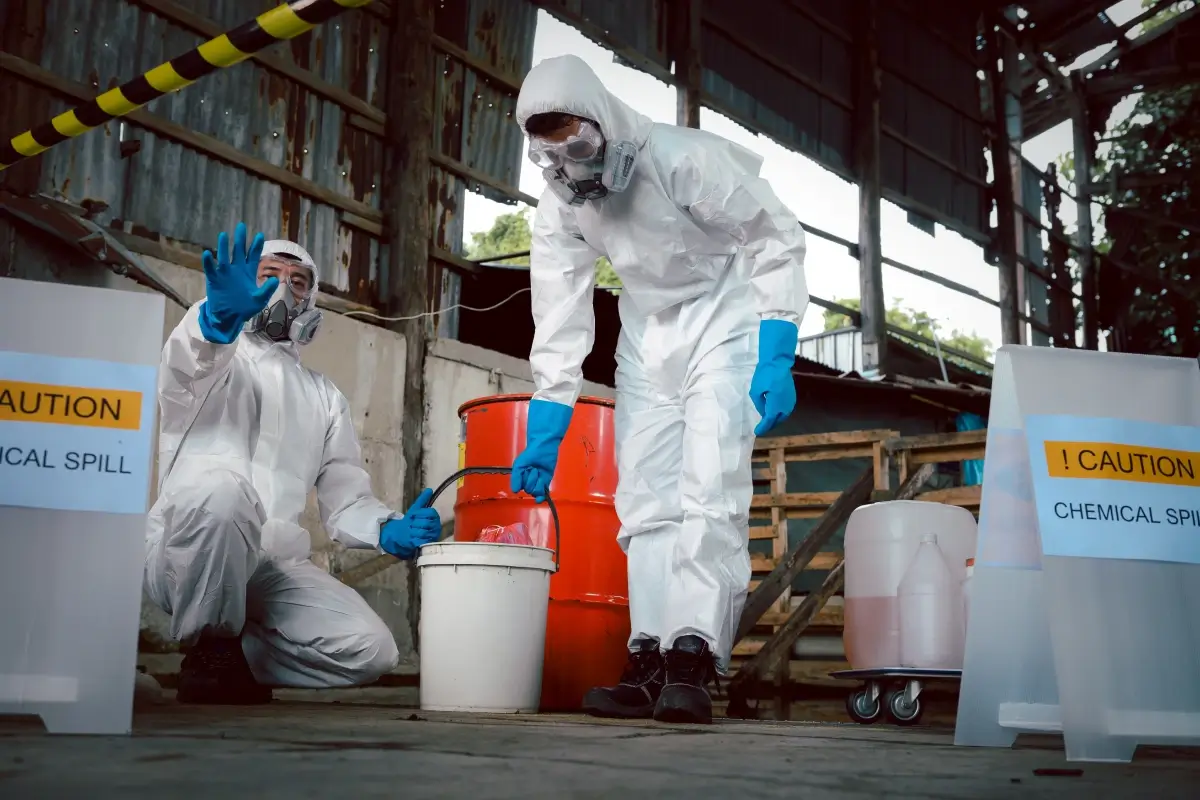
Regulatory agencies don’t just care that secondary containment systems exist. They’re concerned about how those systems are used and maintained. Regulations such as Spill Prevention, Control, and Countermeasure (SPCC) rules reduce environmental risk by ensuring hazardous materials are contained, even if primary storage fails. Most secondary containment guidelines have a simple expectation: containment systems must be appropriate for the materials they’re protecting and capable of performing as intended during real-world conditions. That includes proper sizing and placement, and the ability to withstand exposure to chemicals, weather, and daily operations. If a system is overloaded or used incorrectly, it may no longer meet compliance requirements. Training plays a major role here. Personnel should understand how to use containment systems and why certain procedures matter from a regulatory standpoint. When teams know what inspectors look for — such as visible damage, standing liquids, or signs of misuse — they’re better equipped to spot issues early and address them before they become violations.
An effective spill containment system training program goes beyond basic awareness. It ensures that everyone interacting with containment systems understands how they function, how to use them correctly, and what can go wrong if procedures aren’t followed.
Training should be tailored to job roles. Operators who work directly around hazardous materials need hands-on instruction for setup, loading limits, and daily use. Maintenance teams should be trained to identify wear, damage, or drainage issues, while supervisors benefit from understanding compliance requirements and documentation expectations. When each role knows its responsibilities, gaps in containment management are far less likely.
Hands-on demonstrations are especially effective. Walking through real containment scenarios helps teams recognize proper placement, understand system limitations, and respond appropriately if a spill occurs. Visual examples and real-world context make training more memorable and easier to apply during day-to-day operations.
Just as important, training shouldn’t be a one-time event. Regular refreshers, onboarding sessions for new employees, and updates when systems or regulations change help reinforce best practices and keep containment systems performing as intended over the long term.
Secondary containment systems are most effective when they’re treated as part of everyday operations, not just emergency equipment. Incorporating environmental safety training into daily workflows helps teams understand how their routine actions directly impact spill prevention and environmental protection.
This type of training emphasizes awareness and accountability. Employees learn to recognize potential spill risks, handle materials more carefully, and understand how improper use of containment systems can lead to environmental harm. When teams see the connection between their daily tasks and environmental outcomes, they’re more likely to follow procedures consistently.
Environmental safety training also encourages proactive behavior. Instead of waiting for a spill or inspection to uncover an issue, trained personnel are more likely to report minor damage, pooling liquids, or improper system placement early. Addressing these small issues promptly helps maintain compliance and prevents larger, more costly problems down the line.
Even well-designed containment systems can underperform if they aren’t used correctly in the field. Following proven best practices for secondary spill containment helps ensure systems work as intended when they’re needed most and continue performing reliably over time.
For reliable, adaptable secondary spill containment, the Poly Dike MPE® system stands out as a versatile solution for facilities of all sizes. Built from corrosion-resistant fiberglass-reinforced panels, Poly Dike walls form durable containment areas that can be easily configured to fit around tanks, equipment, and loading zones, making them ideal for changing operational needs.
Because Poly Dike is modular, teams can quickly expand or reconfigure containment zones without major construction. The system’s durable construction ensures long-term performance in demanding industrial environments, and its design supports compliance with spill containment regulations by creating a clearly defined perimeter that keeps leaks and overflows contained.
Request a quote to get started!Initial training lays the groundwork, but ongoing spill prevention training is what keeps secondary containment systems operating efficiently over time. As teams change and processes evolve, refresher training helps prevent small mistakes that can lead to larger containment failures.
One of the most common efficiency issues stems from system misuse. Improper placement, overloading, or blocked drainage reduces a system’s ability to contain spills. Regular training reinforces correct usage and reminds teams why specific procedures exist, helping prevent shortcuts that compromise performance.
Ongoing training also supports faster, more effective responses when spills do occur. When employees are confident in how containment systems work, they’re better prepared to act quickly, minimize spread, and reduce cleanup time. This protects the environment and helps avoid costly downtime and potential regulatory issues.
Even well-designed secondary containment systems can fall short if common issues go unnoticed. Keeping these challenges top of mind helps teams address problems early and maintain system effectiveness:
Consistent maintenance and clear ownership are essential for keeping secondary containment systems effective over time. A simple, repeatable approach makes it easier for teams to stay compliant and avoid preventable issues.
Polystar’s Camel Tri-Star® spill containment systems provide drive-over spill protection during vehicle transfer operations. Built for durability and repeated traffic, these systems help contain incidental spills in fueling, loading, and unloading areas.
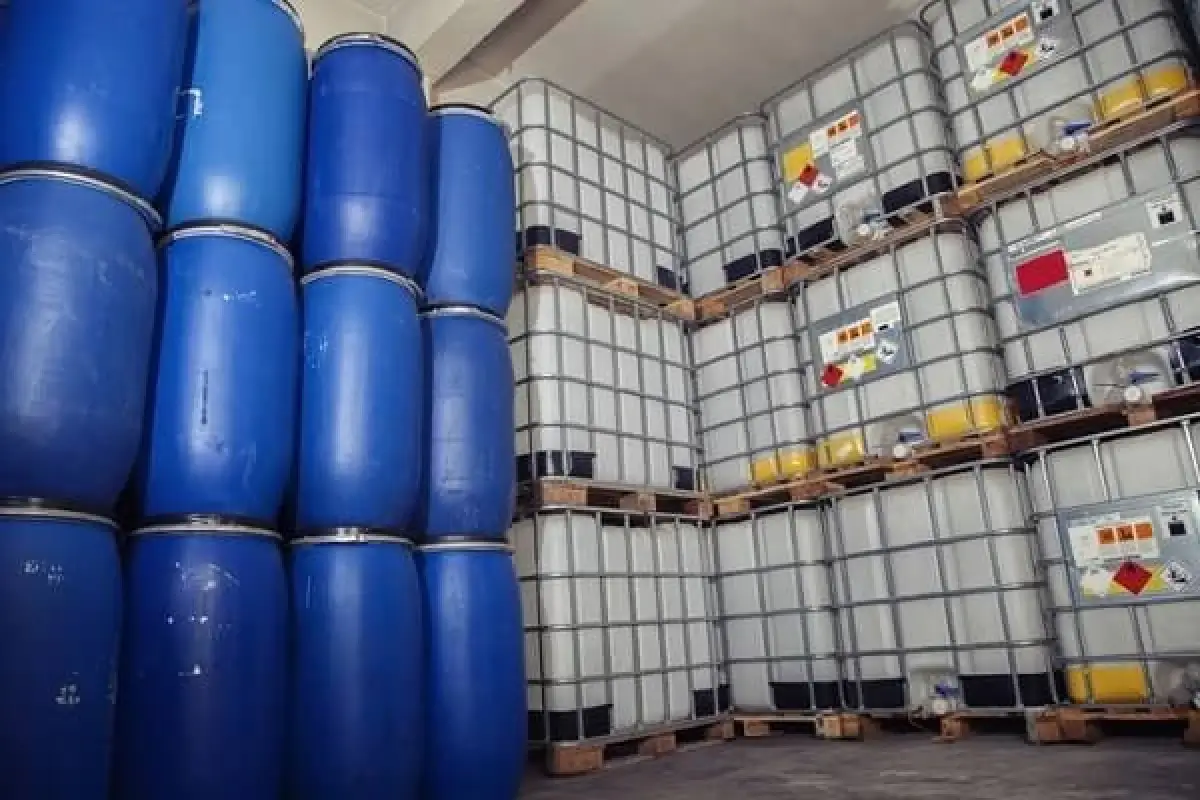
The Camel Tri-Star® modular berm system is ideal for permanent or long-term installations, allowing facilities to customize layout and size based on site needs. For operations that require more flexibility, the Camel Tri-Star® OPS offers a one-piece, portable design that can be quickly deployed or relocated as containment requirements change.
Request a quote to get started!Trainers should have hands-on experience with secondary containment systems, a strong understanding of applicable regulations, and familiarity with site-specific risks. Ideally, they should also be able to clearly demonstrate proper system use and answer real-world questions from operators and maintenance teams.
Start by identifying how often systems are used and the conditions they’re exposed to. Combine regular visual inspections with scheduled cleanings and preventive maintenance, then document each activity so issues are tracked and addressed consistently.
Common challenges include improper use, skipped inspections, lack of refresher training, and failing to update containment setups when operations change. These issues are preventable with routine training and defined ownership.
Effective training and best practices are easier to implement when your containment systems are designed to support real-world operations. Polystar Containment offers a wide range of durable, adaptable secondary containment systems to help organizations improve compliance, protect the environment, and manage spill risks with confidence.
Explore All Secondary Containment Products
Learn more about secondary spill containment with the following resources.




FAQs
Success Stories
Government Requirements
Tradeshows & Events
Sitemap
1676 Commerce Drive
Stow, Ohio 44224
© 2023 Polystar Inc. secondary
containment systems – Stow,
Ohio near Akron in Summit
County. All Rights Reserved